The Indian
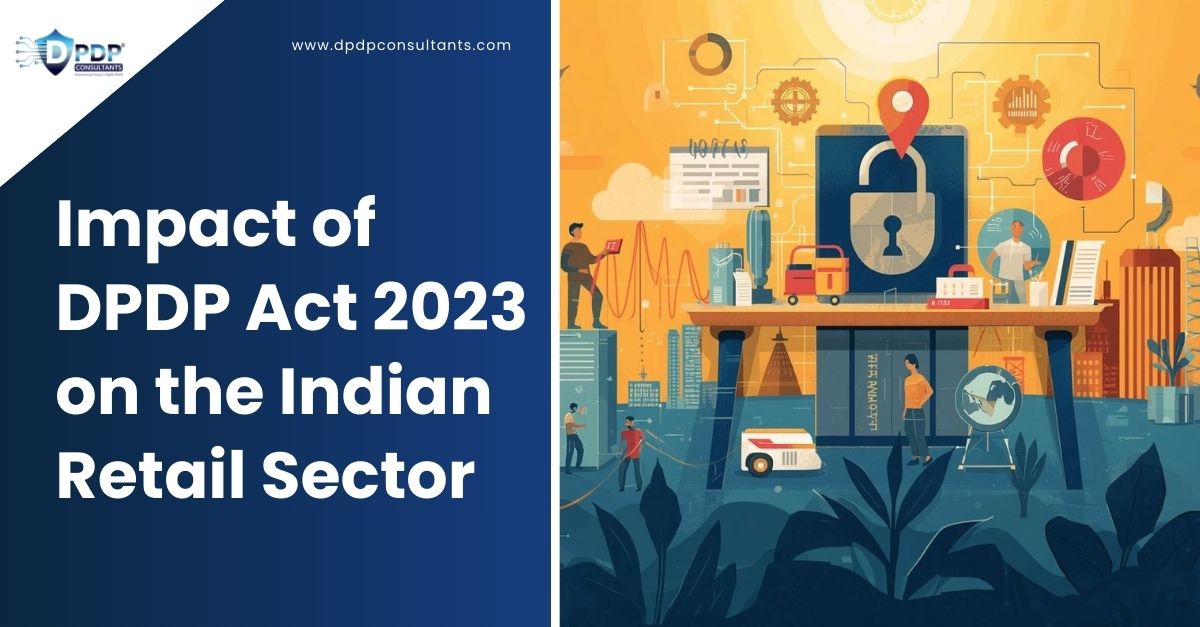
retail landscape is currently undergoing a seismic shift. As we navigate
through 2026, the Digital Personal Data Protection Act (DPDP Act), 2023 has
moved from being a looming legislative framework to a lived operational reality
for every merchant in the country. From the local kirana store digitising its
credit ledger to multinational e-commerce giants leveraging sophisticated AI
for predictive modelling, no entity is exempt from this new regime of data
privacy compliance.
For the retail sector, an
industry built on customer preferences, behavioural tracking, and loyalty
programmes, the DPDP Act is more than a legal hurdle. It represents a
fundamental redesign of the value exchange between brands and consumers. In
this comprehensive guide, we examine the pros, cons, implications, and
strategic shifts required for retailers to operate effectively under India’s
first comprehensive data protection law.
1. Understanding the DPDP Act: The New Rulebook for Retailers
Before
analysing the impact, it is essential to define the key players under the DPDP
Act, 2023.
Data
Principal
The individual, typically the customer, whose personal data is being collected.
This individual is at the centre of protection under the DPDP Act and is
empowered with enforceable rights over their personal data.
Data
Fiduciary
The entity, namely the retailer, that determines the purpose and means of
processing personal data. This role carries primary accountability for
compliance and safeguarding the rights of the data principal.
Data
Processor
Any third party such as logistics providers, cloud service providers, marketing
agencies, or payment gateways that process data on behalf of the retailer. Data
Fiduciaries are required to ensure that their Data Processors comply with the
DPDP Act through robust contractual and technical safeguards.
The Act applies
to all digital personal data, whether collected online or collected offline and
subsequently digitised. This broad applicability means that every retail
touchpoint, from point-of-sale systems in physical stores to mobile apps,
loyalty programmes, and CRM platforms, falls under regulatory scrutiny.
Retailers must
understand that the term “digital” refers to the format in which data is
processed, not merely the method of collection. Any physical form that is
scanned, uploaded, or entered into a digital system becomes subject to the DPDP
Act. This makes compliance in a phygital retail environment especially
critical, where physical storefronts and digital engagement coexist.
2. The Pros: Why the DPDP Act Is a Boon for the Retail Ecosystem
Although
compliance is often perceived as a burden, the DPDP Act offers long-term
advantages that can strengthen the Indian retail ecosystem and foster greater
transparency and trust.
A. Building
Strong Customer Trust
With the rise
in data breaches, phishing attacks, and intrusive targeted advertising,
consumers are increasingly cautious about sharing personal information. The
DPDP Act mandates informed consent and transparency, requiring retailers to
clearly explain why data is collected, how it will be used, and who will have
access to it.
This moves
retailers away from opaque data practices towards trust-based engagement.
Brands that demonstrate responsible data handling are more likely to see
improved customer loyalty, repeat purchases, and enhanced brand credibility.
Trust, once earned, also increases the likelihood of customers voluntarily
sharing relevant data, enabling meaningful personalisation without compromising
privacy.
B. Data
Minimisation and Operational Efficiency
Historically,
many retailers engaged in excessive data collection under the assumption that
more data equated to more value. The DPDP Act enforces data minimisation,
requiring retailers to collect only what is necessary for a defined purpose.
This shift
leads to reduced storage costs, simplified data management, and lower
cybersecurity risks. Smaller, cleaner datasets are easier to analyse and
secure, enabling retailers to derive sharper insights while reducing exposure
in the event of a breach.
C.
Streamlined Cross-Border Operations
By aligning
with global data protection standards such as the GDPR, the DPDP Act
facilitates smoother international operations. Indian retailers operating
globally benefit from improved legal predictability and trust, while
multinational retailers gain clarity on Indian data protection expectations.
This alignment
supports cross-border data transfers, strengthens international partnerships,
and enhances India’s position in the global digital economy.

3. The "Cons": Challenges and Compliance Hurdles
Transitioning
to a privacy-first model is not without its pain points, especially for a
sector as diverse and fragmented as Indian retail, which ranges from
sophisticated omnichannel players to traditional local businesses. The
immediate challenges primarily revolve around cost, operational restructuring,
and the potential impact on established business models.
D. Increased
Compliance Costs
The most
immediate and often daunting "con" for many retailers is the
significant financial outlay required for achieving and maintaining compliance.
Implementing robust security safeguards is not a trivial expense; it
involves investments in advanced encryption technologies, secure data storage
solutions, intrusion detection systems, and regular vulnerability assessments.
Furthermore, the DPDP Act mandates, for certain categories of Data Fiduciaries,
the appointment of a Data Protection Officer (DPO). A DPO is a
specialized professional responsible for overseeing data protection strategy
and implementation, requiring a competitive salary and benefits. Even for
retailers not legally required to have a full-time DPO, engaging privacy
consultants or legal experts for guidance will incur costs.
Another
significant requirement is conducting regular Data Protection Impact
Assessments (DPIA). These assessments help identify and mitigate risks
associated with data processing activities, particularly those involving
high-risk data or new technologies. These assessments are complex and often
require external expertise. Upgrading legacy IT systems to support new
functionalities like data erasure (the "Right to be Forgotten") and
data correction requests ("Right to Correction") also demands both
substantial capital investment and technical expertise, which might be
particularly challenging for smaller retailers operating on tighter budgets and
with less sophisticated infrastructure. The cumulative effect of these
expenditures can pose a substantial burden, especially for Small and Medium
Enterprises (SMEs) struggling with digital transformation.
E. The End
of Forced Data Collection
A pervasive
practice in Indian retail for decades has been the mandatory collection of
personal identifiers, such as mobile numbers or email addresses, for generating
invoices, providing discounts, or even simply completing a purchase. This has
often been a non-negotiable part of the transaction, with consumers having
little choice but to comply if they wished to complete their shopping. Under
the DPDP Act, this practice is largely no longer permissible. The Act
emphasizes voluntary and informed consent for data processing. Retailers
cannot deny service to a customer who refuses to share their data for purposes
not essential to the core transaction. For instance, a customer cannot be
forced to provide their mobile number to receive a bill if they prefer a
physical copy or no copy at all.
This
"right to say no" from the data principal may initially hamper
traditional customer acquisition strategies that have heavily relied on
aggressive data harvesting at the point of sale. Retailers will need to
innovate their loyalty programs and marketing efforts to genuinely incentivize
data sharing rather than compel it. This shift requires a re-evaluation of how
customer profiles are built and maintained, moving towards models that
demonstrate clear value to the customer in exchange for their data, rather than
making it a prerequisite for service. It forces retailers to be more creative
and customer-centric in their data collection approaches, which, while
beneficial in the long run, presents an immediate challenge to ingrained
business practices.
F. Heavy
Financial Penalties
The stakes for
non-compliance with the DPDP Act are incredibly high. The Act specifies
substantial financial penalties, which can range up to ₹250 crore for
significant breaches of its provisions. These penalties are designed to be a
deterrent and reflect the seriousness with which data protection violations
will be treated. For many retailers, especially those with moderate turnover, a
single major breach or a systemic failure to manage consent, adequately secure
data, or respond to data principal requests could result in not only financial
ruin but also irreparable reputational damage. The adverse publicity
surrounding a data breach and the subsequent fines can erode consumer trust,
lead to customer churn, and significantly impact brand value.
Beyond the
immediate financial costs of fines, retailers must also consider the indirect
costs associated with a breach: legal fees, forensic investigations, public
relations crises management, and potential lawsuits from affected data
principals. The threat of these severe penalties necessitates a proactive and
thorough approach to compliance, elevating data protection from a mere IT
concern to a strategic business imperative that requires C-suite attention and
investment. The Act’s penalty regime underscores that data privacy is no longer
a "nice-to-have" but a fundamental legal and ethical obligation with
severe consequences for neglect.
4. Key Implications for Retail Operations
The
implementation of the DPDP Act triggers several specific and fundamental
changes in how retail businesses function on a day-to-day basis, impacting
everything from customer onboarding to marketing strategies and supply chain
management. These implications require a thorough review and often a complete
overhaul of existing operational protocols.
1. The
Consent Architecture
Perhaps the
most significant operational change for retailers under the DPDP Act revolves
around consent. The Act specifies that consent can no longer be vaguely
implied or assumed from inaction. Instead, it must be free, specific,
informed, unconditional, and unambiguous. This means:
- Free: Consent must be given voluntarily,
without coercion or detriment for refusing. Retailers cannot make a
purchase conditional on agreeing to receive marketing emails unless those
emails are absolutely essential to the service itself.
- Specific: Consent must be for particular
purposes. A blanket consent form for "all data processing" is
insufficient. Customers should be able to consent to different processing
activities separately (e.g., one for order fulfillment, another for
personalized recommendations, and a third for third-party marketing).
- Informed: Customers must understand what
they are consenting to. This requires clear, concise language, avoiding
legalese, and potentially providing information in multiple regional
languages.
- Unconditional: Consent cannot be bundled with
other terms and conditions in a way that makes it impossible to consent to
one thing without consenting to another unrelated thing.
- Unambiguous: There must be a clear affirmative
action by the data principal indicating consent, such as ticking an
unticked box, clicking an "I Agree" button, or verbally
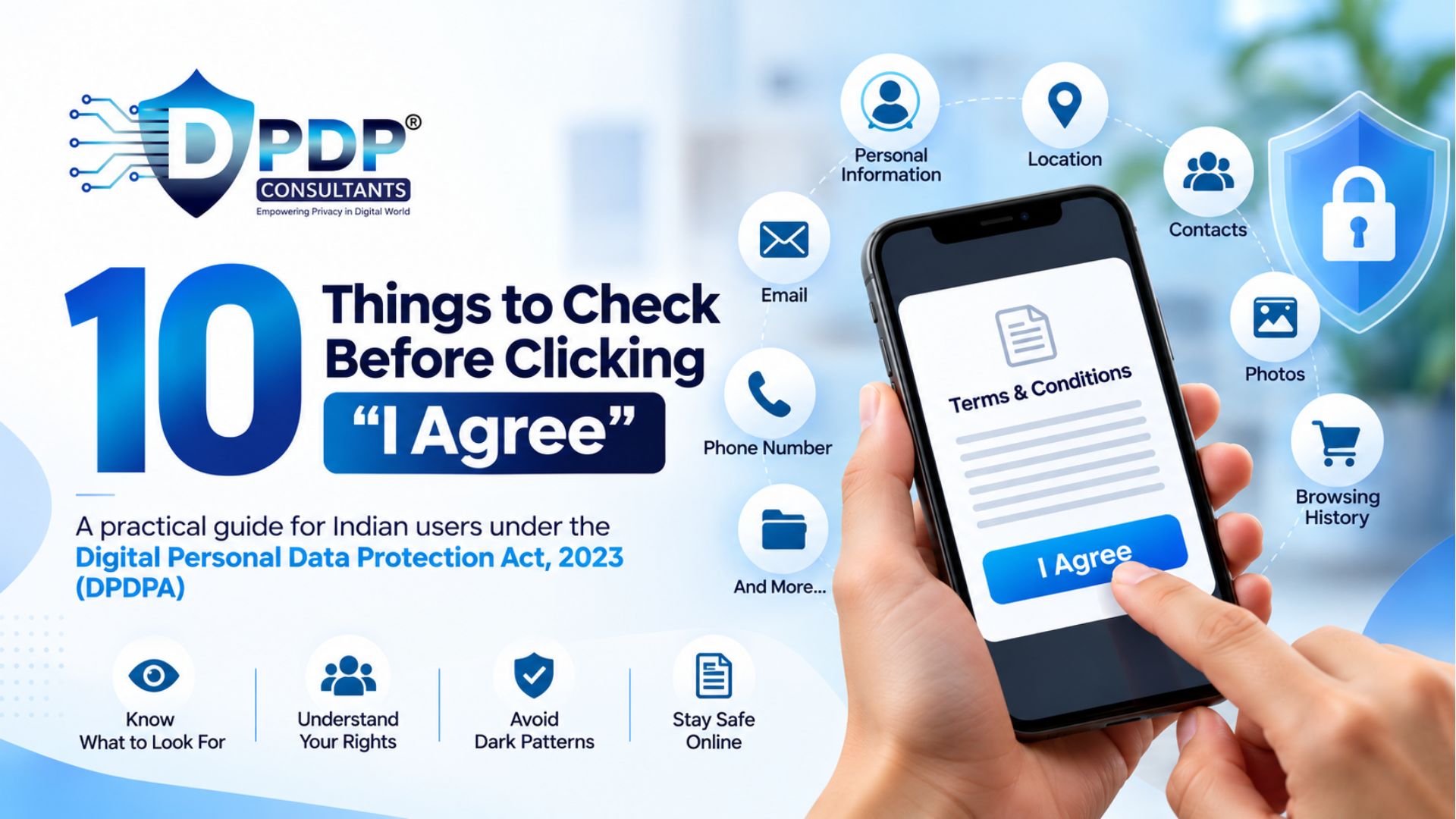
confirming. Pre-ticked boxes are generally not considered valid consent.
Retailers must
now implement sophisticated "Consent Managers" and granular
opt-in/opt-out toggles across all their digital and physical touchpoints. This
includes websites, mobile apps, in-store digital kiosks, and even physical
forms. The ability for a customer to easily withdraw consent at any time, and
for that withdrawal to be honored without undue delay, is also a critical
requirement. This necessitates robust backend systems for tracking consent
status and ensuring that processing activities cease immediately upon
withdrawal.
2. Marketing
and Personalization
The DPDP Act
has profound implications for how retailers approach marketing and
personalization, particularly concerning vulnerable groups and the scope of
behavioral tracking.
- Children's Data: The Act introduces stringent
protections for the data of children (individuals under 18 years of age).
Retailers engaging in processing children's data must verify the age of
their users and obtain verifiable parental consent. Furthermore, any
processing that is likely to cause harm to a child is prohibited. This
means that aggressive behavioral tracking and targeted
advertising directly aimed at children, often seen in gaming apps or
toy e-commerce sites, will face significant restrictions or outright bans.
Retailers must re-evaluate their entire approach to underage consumers,
shifting towards contextual advertising or non-personalized experiences
for this demographic.
- Adult Personalization: For adult customers, profiling and
personalized recommendations must be backed by a clear lawful basis,
typically explicit consent. Retailers must clearly explain how their data
will be used for personalization and provide easy mechanisms for customers
to opt out of such processing. The "Right to Erasure" (or
"Right to be Forgotten") means that if a customer decides to
stop engaging with your brand, they have the right to request the deletion
of their personal data from your systems, provided there are no other
legal obligations to retain it. This impacts how loyalty programs are
designed, how customer relationship management (CRM) systems operate, and
how data retention policies are formulated. Retailers will need to justify
every piece of data they hold for marketing purposes and be prepared to
delete it upon request. This forces a shift from a "collect
everything" mentality to a "collect what's necessary and
valuable, and respect the customer's right to control it" approach.
3. Supply
Chain Accountability
Modern retail
operations rarely function in isolation. They rely heavily on a complex web of
third-party vendors, partners, and service providers, collectively forming an
intricate supply chain. This includes logistics companies handling
deliveries, cloud service providers hosting data, payment gateways processing
transactions, marketing agencies running campaigns, and even analytics firms
providing insights. Under the DPDP Act, retailers (as Data Fiduciaries) are not
absolved of responsibility for customer data once it leaves their direct
control and is passed to a third-party Data Processor.
Retailers are
accountable for ensuring that their entire supply chain is
DPDP-compliant. This means:
- Due Diligence: Thoroughly vetting all third-party
vendors and partners to ensure they have robust data protection policies
and security measures in place.
- Contractual Agreements: Implementing strong data
processing agreements (DPAs) or similar contracts that clearly define the
roles and responsibilities of both the Data Fiduciary and the Data
Processor, detailing security obligations, data retention policies, breach
notification procedures, and audit rights.
- Ongoing Monitoring and Audits: Regularly auditing their partners
to ensure continued compliance and adherence to contractual terms.
- Liability: If a logistics partner suffers a
data breach and customer data is compromised, the retailer (as the Data
Fiduciary) is ultimately held accountable by the Data Protection Board of
India, even if the breach occurred with the processor. This necessitates a
complete re-evaluation of vendor management strategies, moving towards a
model where data security and privacy compliance are paramount criteria
for partner selection and ongoing relationship management. It creates a
domino effect of compliance, pushing data protection requirements down
through the entire ecosystem connected to the retailer.

5.Conclusion: Navigating the Future of "Phygital" Retail
As we move
deeper into 2026, the DPDP Act has fundamentally redefined the "rules of
engagement" for the Indian retail industry. For years, the sector operated
in a data-rich but regulation-poor environment, where customer information was
often treated as an infinite resource to be mined without friction. Today, that
paradigm has flipped. Data is now a "borrowed asset," and the
customer is its sovereign owner.
For retailers,
the transition to data privacy compliance is undeniably complex. It requires a
structural overhaul of legacy IT systems, a rewrite of marketing playbooks, and
a cultural shift in how ground-level staff interact with patrons. However,
viewing this solely as a "compliance cost" is a strategic mistake.
The DPDP Act
offers a unique opportunity to sanitize databases, eliminate wasteful data
hoarding, and, most importantly, bridge the growing trust deficit between
digital platforms and consumers. Retailers who embrace Privacy by Design,
integrating transparency into their mobile apps, POS terminals, and loyalty
programs, will emerge as the market leaders of the next decade. In the new
economy, consumer trust is the most valuable currency a brand can hold.
6. Frequently Asked Questions (FAQs) for Retailers
Q1. Does the
DPDP Act apply to my physical retail store if I don't have a website? Yes. If you collect customer
information, such as phone numbers for billing or loyalty points, and store it
in a digital format, such as a computer, a tablet, or a cloud-based POS system,
the Act applies. Any personal data that is collected offline and subsequently
digitized falls under the purview of the DPDP Act 2023.
Q2. Can I
still ask for a customer's mobile number at the billing counter? You can ask, but you cannot make it
mandatory unless it is strictly necessary for the service, for example, for a
digital delivery or a specific warranty record. If a customer refuses to
provide their number for a simple cash-and-carry transaction, you cannot deny
them the sale. You must provide a clear notice explaining why the number is
being collected.
Q3. What are
the penalties for a data breach under the new law? The financial implications are severe.
The Data Protection Board of India can impose penalties of up to ₹250 crore for
a single instance of failure to prevent a data breach. There is no distinction
between a small shop and a large corporation when it comes to the maximum
penalty ceiling; the fine is determined based on the nature and gravity of the
breach.
Q4. Do I
need to appoint a Data Protection Officer (DPO)? Only "Significant Data
Fiduciaries" (SDFs), which are entities designated by the government based
on the volume and sensitivity of the data they process, are mandated to appoint
a DPO. However, even smaller retailers are advised to designate an
"Authorized Person" to handle customer grievances and ensure
compliance to avoid legal complications.
Q5. How long
can I store customer purchase history?
Under the principle of storage limitation, you should only keep personal data
for as long as it is needed for the purpose it was collected. Once the purpose
is served, for example, the return period for a product has expired, or if the
customer withdraws their consent, you must delete or anonymize that data.
7. Strategic Roadmap: Your Next Steps
The road to
2027 and beyond requires a proactive stance. If you are a retail stakeholder,
your immediate priority should be a Data Discovery Audit. Knowing
exactly what data you hold, where it is stored, and who has access to it is the
foundation of all compliance efforts.
Get in Touch
for Sector-Specific Insights
The impact of
the DPDP Act varies significantly between Luxury Retail, Quick
Commerce (Q-commerce), and Large-format Department Stores. While the
legal framework is universal, the operational implementation is not.
If you are
looking for further information on:
- Standard Operating Procedures
(SOPs) for in-store data collection.
- Designing compliant "Notice
and Consent" workflows for retail apps.
- Understanding the specific
implications of the Draft DPDP Rules 2025 on your supply chain.
We encourage
you to reach out to our industry analysis team. We specialize in mapping
regulatory shifts to business growth strategies, ensuring your brand remains
resilient in a privacy-first world.
[Contact Our
Retail Strategy Division]
Email: info@dpdpconsultants.com